Top 10 Most Sustainable Universities

The Top 10 World's Most Sustainable Universities in 2025 UI GreenMetric World University Rankings

Participants

List of UI GreenMetric Participant in 2025 based on location

Upcoming Events

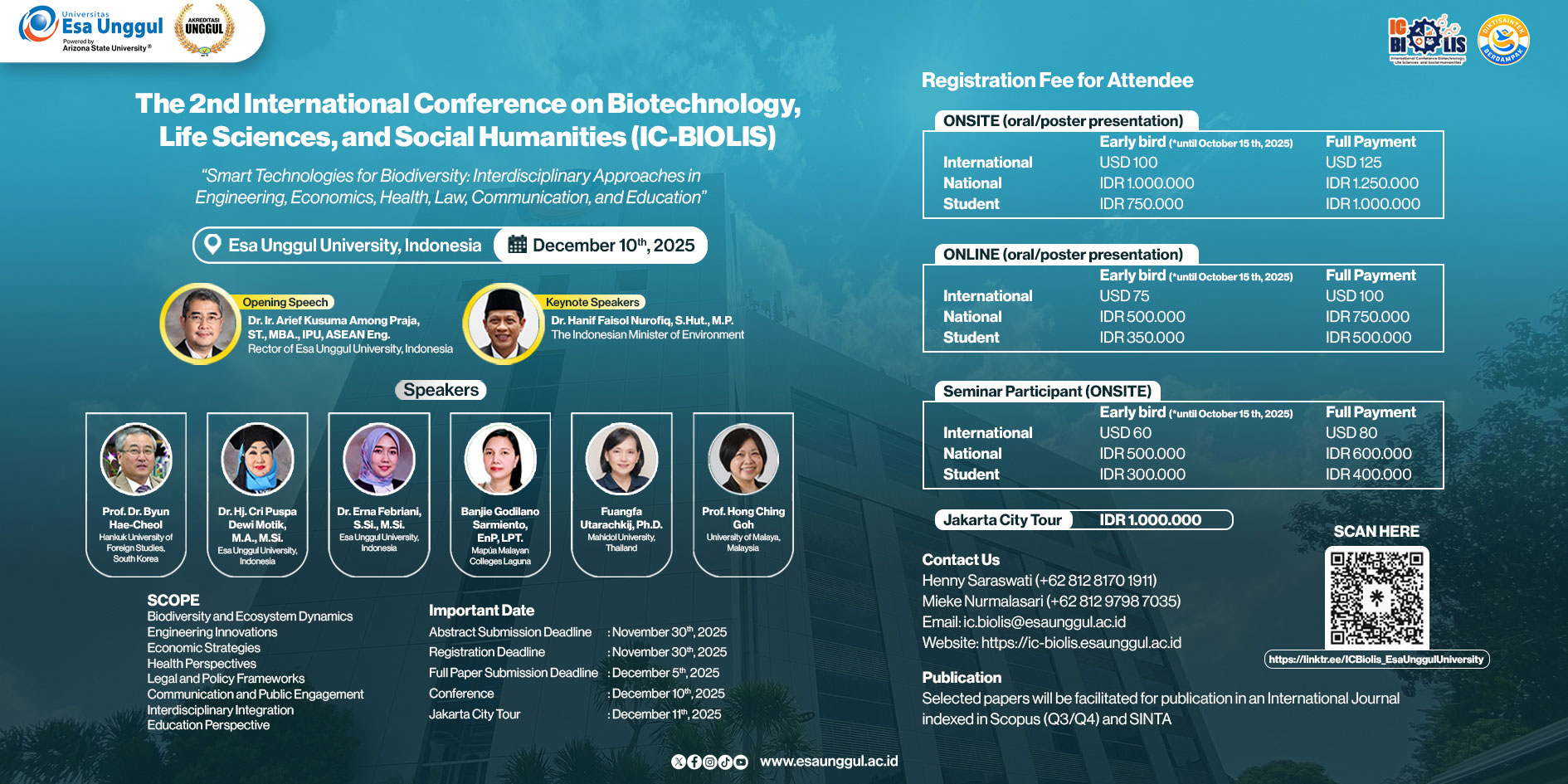
List of UI GreenMetric Upcoming Events. See our full agenda here.

Latest News

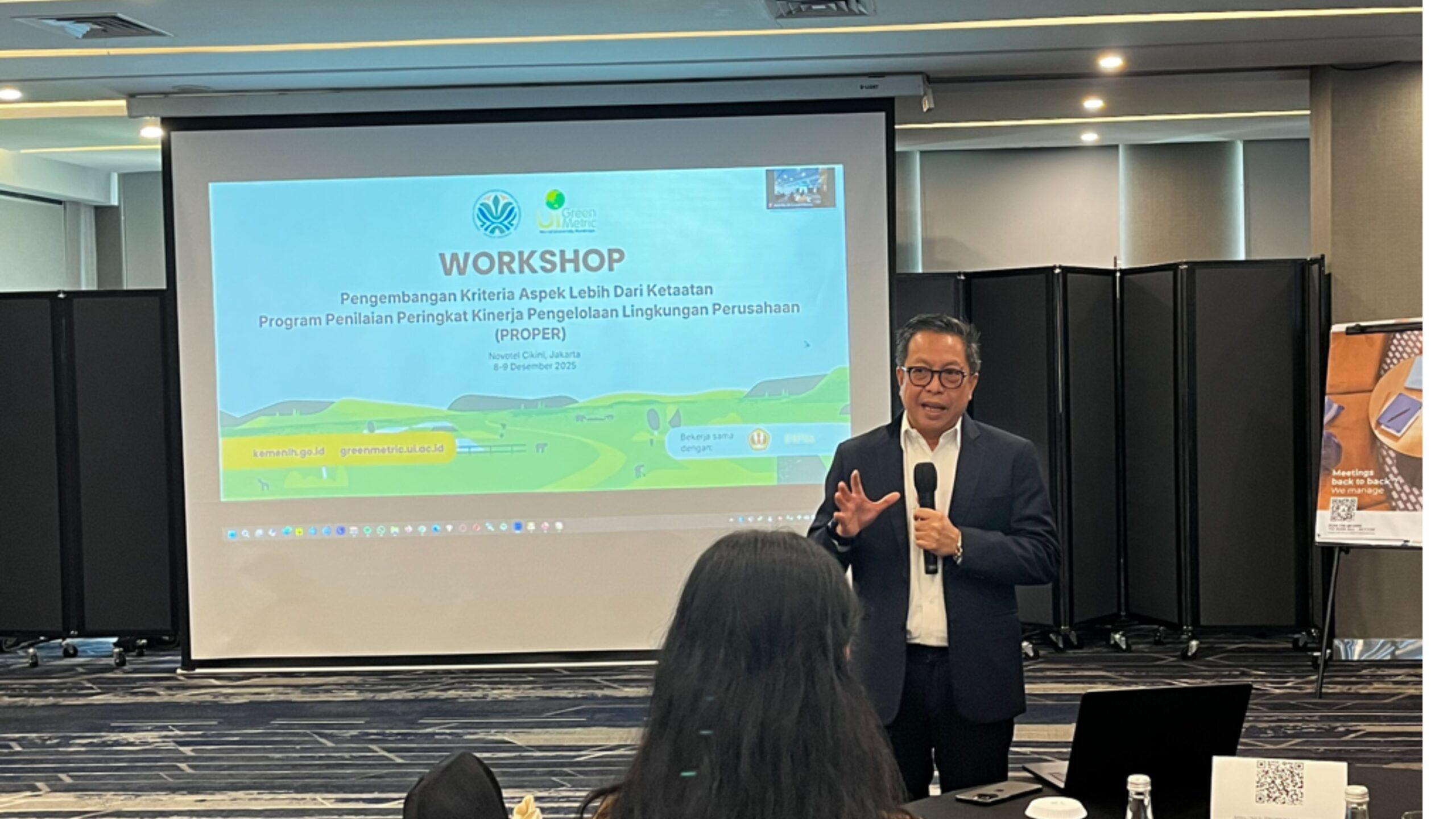
UI GreenMetric dan BPLH Gelar Workshop Pengembangan Kriteria Aspek Lebih dari Ketaatan Program Penilaian Peringkat Kinerja Pengelolaan Lingkungan Perusahaan (PROPER)
Jakarta, Indonesia — 8–9 Desember 2025 UI GreenMetric bekerja sama dengan Badan Pengelolaan Lingkungan Hidup (BPLH) menyelenggarakan Workshop Pengembangan Kriteria Aspek Lebih dari Ketaatan Program Penilaian Peringkat Kinerja Pengelolaan Lingkungan Perusahaan (PROPER). Kegiatan ini dibuka oleh Dr. Rasio Ridho Sani, M.Com., MPM, Deputi Pengendalian Pencemaran dan Kerusakan Lingkungan BPLH sekaligus inisiator PROPER sejak 1995, yang menegaskan komitmen pemerintah dalam memperkuat kolaborasi untuk pengembangan instrumen penilaian yang lebih komprehensif. Kehadiran Dr. Vishnu Juwono, S.E., MIA, selaku Kepala UI GreenMetric, pemeringkatan universitas global yang kini diikuti 1.745 partisipan dari 105 negara, turut menunjukkan sinergi kedua institusi dalam mendorong penguatan indikator keberlanjutan di tingkat nasional dan internasional. “Melalui PROPER, kami mendorong pengembangan inovasi sosial untuk tidak hanya memenuhi kewajiban minimum, tetapi juga menunjukkan kinerja lingkungan yang inovatif, transparan, dan berdampak nyata. Pengembangan kriteria ‘lebih dari ketaatan’ ini penting untuk memastikan PROPER tetap relevan dengan tantangan lingkungan masa kini serta mampu memotivasi perusahaan menjadi pelopor dalam perlindungan lingkungan. Kolaborasi dengan UI GreenMetric dapat memperkaya pendekatan kami, terutama dalam memperkuat indikator keberlanjutan yang terukur dan kredibel di tingkat nasional.” Ujar Dr. Rasio Ridho Sani, Deputi Pengendalian Pencemaran dan Kerusakan Lingkungan, Badan Pengendalian Lingkungan Hidup (BPLH). Senada dengan hal tersebut, Dr. Vishnu Juwono, S.E., MIA menyampaikan, “UI GreenMetric kini telah menerapkan asesmen keberlanjutan untuk 1.745 universitas dan 71 kabupaten/kota di Indonesia—sebuah capaian yang menunjukkan besarnya potensi transformasi ketika komitmen dan inovasi dijalankan secara konsisten. Karena itu, kami menyambut baik kolaborasi dengan BPLH dalam pengembangan aspek ‘lebih dari ketaatan’. Inisiatif ini memungkinkan perluasan dampak asesmen kami ke sektor pemerintahan dan perusahaan, sekaligus mendorong praktik pengelolaan lingkungan yang lebih bertanggung jawab serta berkontribusi pada pencapaian target lingkungan nasional.” Workshop ini melibatkan akademisi, institusi pendidikan, dan para ahli lingkungan untuk memperkuat inovasi sosial melalui penguatan peran institusi pendidikan sebagai pusat pembelajaran, penggerak partisipasi masyarakat, serta fasilitator kolaborasi komunitas dalam mewujudkan praktik keberlanjutan yang inklusif dan berdampak luas. Inisiatif ini juga menjadi ruang kolaborasi antarsektor untuk mempercepat transformasi lingkungan skala nasional. Sena Pradipta, S.T., M.T., Ph.D. selaku Koordinator Kelompok Kerja (KAPOKJA) Sekretariat PROPER dari Badan Pengelolaan Lingkungan Hidup membuka sesi dengan pemaparan mengenai instrumen PROPER, memperkuat pemahaman peserta terkait mekanisme evaluasi kinerja lingkungan serta arah pengembangan kriteria “lebih dari ketaatan”. Kegiatan ini juga menghadirkan para pakar seperti Prof. Dr. Retno Kusumastuti Hardjono, M.Si. (Universitas Indonesia), Prof. Dr. Fani Cahyandito, S.E., M.Sc. (Universitas Padjadjaran), serta Bahruddin, S.Sos., M.Sc., Ph.D, (Universitas Gadjah Mada) hadir memberikan wawasan mendalam mengenai inovasi sosial, pengembangan nilai keberlanjutan, serta pendekatan Social Return on Investment (SROI) sebagai kerangka pengukuran dampak yang semakin relevan bagi perusahaan maupun lembaga publik. Workshop ini juga dihadiri oleh berbagai pemangku kepentingan akademik, termasuk Prof. Dr. R. Cecep Eka Permana, Guru Besar Arkeologi Fakultas Ilmu Pengetahuan Budaya Universitas Indonesia, yang berpartisipasi aktif dalam sesi diskusi. Kehadiran beliau memperkaya pembahasan terkait penguatan aspek lebih dari ketaatan, terutama dari perspektif akademik lintas disiplin yang relevan terhadap pengembangan metodologi penilaian lingkungan. “Keterlibatan akademisi lintas disiplin memperkaya pembahasan, mengingat pengembangan kriteria PROPER ke depan perlu mempertimbangkan konteks multikultural di tingkat masyarakat. Banyak Perusahaan, terutama di sektor tambang dan kehutanan, berinteraksi dengan komunitas yang memiliki nilai budaya kuat dan pandangan tersendiri terhadap lingkungan. Memahami dinamika seperti cara mereka memaknai air, ruang hidup, hingga kosmologi lokal menjadi penting agar penyusunan kriteria lebih komprehensif, relevan, dan sesuai realitas sosial-budaya di lapangan.” Ujar Prof. Dr. R. Cecep Eka Permana. Melalui kolaborasi strategis antara UI GreenMetric dan BPLH, Indonesia meneguhkan komitmennya untuk mendorong keberlanjutan yang tidak hanya berhenti pada kepatuhan, tetapi mendorong inovasi, integritas, dan dampak yang lebih nyata bagi kualitas lingkungan hidup dan masyarakat di masa depan. Ditulis oleh: Riska Putri Hariyadi - Spesialis Bidang Komunikasi UI GreenMetric Galeri Kegiatan:

 
Shaping the SDGs From the Ground Up: Stories from UI GreenMetric’s Youth Session
On 14th November, UI GreenMetric continued its Seri Pahlawan Lingkungan through the second IG Live Discussion—this time spotlighting the energy and perspective of young sustainability champions. The session, titled “Generasi Muda, Aksi Nyata: Menjadi Pahlawan Keberlanjutan di Era SDGs,” felt like a small but meaningful reminder of how strongly students are driving change in their own circles. Moderated by Riska Putri Hariyadi (UI GreenMetric Communication Specialist), the conversation brought together three youth leaders who each carry their own approach to sustainability: The conversation was shaped by three young leaders, Fahrizal Sahdan from UKM KSE UIN Raden Intan Lampung, Fika Nur Sabrina from Universitas Terbuka, and Muhammad Haikal Putra Surya from Universitas Airlangga, each bringing their own experiences to the table. Instead of leaning on grand theories or abstract sustainability jargon, they grounded the discussion in what they know best: the reality of being a student trying to make change happen. Their stories kept circling back to the same idea, that shifts in daily habits, peer influence, and small, consistent actions can quietly reshape campus culture over time. Fahrizal shared how ecological literacy grows from simple, consistent actions. Through KSE, he and his peers run waste-reduction campaigns, tree-planting activities, and environmental education sessions. His stories reflected a belief that change often begins quietly—with one person choosing a reusable bottle or inviting a friend to join a community clean-up. Fika offered a broader lens, shaped by her journey in ISLMS. Her exposure to diverse discussions and cross-campus collaborations helped her see that sustainability is never the work of one discipline alone—it is influenced by public policy, social dynamics, education, and everyday human behavior. She noted that programs like ISLMS give students the confidence to speak up, connect issues across sectors, and design projects that have the potential to outlive their university years. Haikal brought a governance-focused lens through his role as an SDGs Ambassador, emphasizing how sustainability can be woven into campus policies and student organizations. He reminded us that youth activism isn’t only about loud movements—often, it’s about quietly reshaping systems from within. Guided by the SDGs as a clear framework, he underscored the value of multisector collaboration and communicating sustainability in formats that resonate with Gen Z. One of the program he leads as SDGs Ambassor is by implementing SDGs gamification on campus showed how learning can become more interactive, relevant, and engaging for today’s students. Across the session, a common thread emerged: students are uniquely positioned to accelerate sustainability both on campus and in their communities. Their ideas are fresh, their networks are wide, and their commitment often comes from a very personal place, concern for their future. This IG Live discussion offered a glimpse into the growing ecosystem of young sustainability leaders in Indonesia. It also reaffirmed UI GreenMetric’s commitment to nurturing student initiatives, encouraging collaboration, and creating more spaces where youth voices can be heard and celebrated. Written by Riska Hariyadi - Communication Specialist

 
UI GreenMetric IG Live Discussion: Shaping Systems and Behaviors, The University’s Role in Sustainable Waste Management
7 November 2025, As part of its ongoing commitment to strengthening sustainability practices in higher education, UI GreenMetric hosted an Instagram Live Discussion titled “Dari Limbah Jadi Manfaat: Mewujudkan Kehidupan yang Lebih Berkelanjutan.” The conversation brought together three leading academics in Indonesia’s sustainability landscape: Prof. Dr. H. Fatah Sulaiman, S.T., M.T., Rector of Universitas Sultan Ageng Tirtayasa; Prof. Ir. Wiratni, S.T., M.T., Ph.D., IPM., Secretary of the Directorate of Partnership and Global Relations at Universitas Gadjah Mada; and Prof. Dr. Prabang Setyono, M.Si., Head of the Doctoral Program in Environmental Science at Universitas Sebelas Maret. The session was moderated by Jauzak Hussaini W., M.T., representing UI GreenMetric. The discussion expanded the view of waste management from a purely technical issue to a strategic opportunity for universities to shape values, shift everyday habits, and build a culture of environmental responsibility. With thousands of people interacting on campus each day, the speakers noted that universities naturally become microcosms where sustainable practices can take root and eventually influence broader communities. The discussion collectively emphasized that effective waste management in universities requires more than technological upgrades—it demands institutional commitment, human-centered approaches, and strong academic involvement. The speakers highlighted how clear policies and supportive leadership provide the structural backbone for sustainability initiatives, while awareness-building and behavioral change remain essential for ensuring that systems function in practice. They also agreed on the pivotal role of research and student participation: campuses thrive as “living laboratories” when students, lecturers, and researchers collaborate to test ideas, develop innovations, and translate academic work into real solutions. Through this synergy of leadership, culture, and academic engagement, universities are uniquely positioned to shape sustainable habits that extend well beyond campus life. Throughout the session, the speakers shared a unified view: waste is not merely an operational challenge but a strategic opportunity to build a culture of circularity and environmental stewardship. When universities treat waste as a valuable resource rather than a burden, they can significantly reduce emissions, strengthen campus ecosystems, and inspire sustainable behavior that students will carry with them long after graduation. This discussion reaffirms UI GreenMetric’s commitment to fostering knowledge exchange among universities and supporting stronger leadership in sustainability. By enhancing waste treatment strategies and embedding sustainability into everyday academic life, higher education institutions can amplify their influence far beyond campus boundaries. Written by: Riska P. Hariyadi - Communication Specialist of UI GreenMetric  
  Latest update of News and Media Coverage related to UI GreenMetric. Read other news here.

Galleries

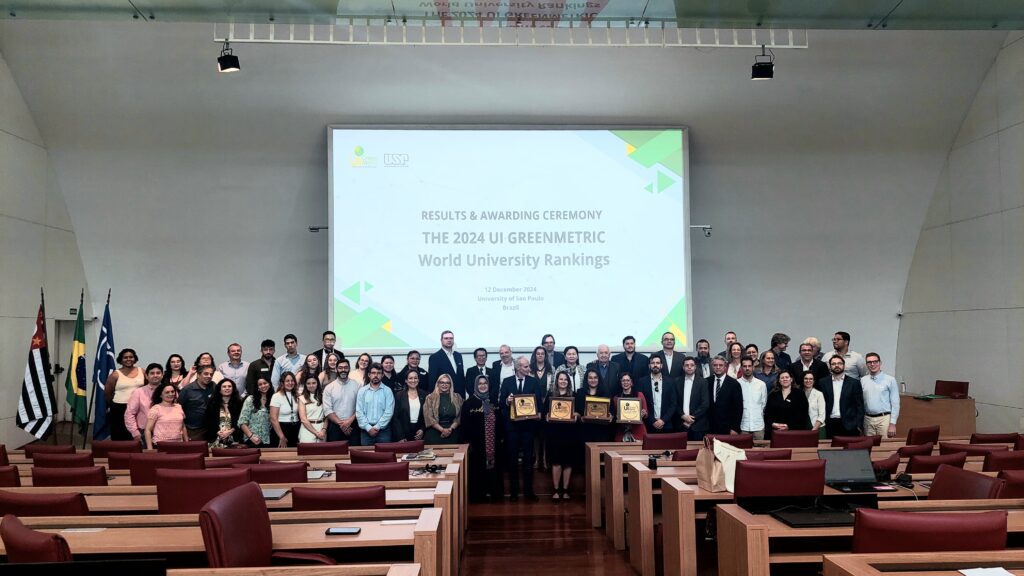
Photos and Videos of UI GreenMetric Event. Watch full galleries here.

Sustainability for future. Join UI GreenMetric Today.

Our Service Users

We thank these universities for using our services. Learn more about our new services here.

Elevate your informational journey by subscribing to our newsletter.